Best Container Vegetables for Small Apartment Patios & Balconies
Affiliate Disclosure: As an Amazon Associate, Lucky Cozy Nook earns from qualifying purchases. If you purchase through our recommended links, we may earn a commission at no additional cost to you.
A few weeks ago, I spent almost $5 on a tiny package of organic basil from the grocery store. Two days later, most of it had already turned dark, soft, and unusable inside my refrigerator.
That was the moment I realized something: I was spending more money buying fresh herbs than I was actually enjoying them.
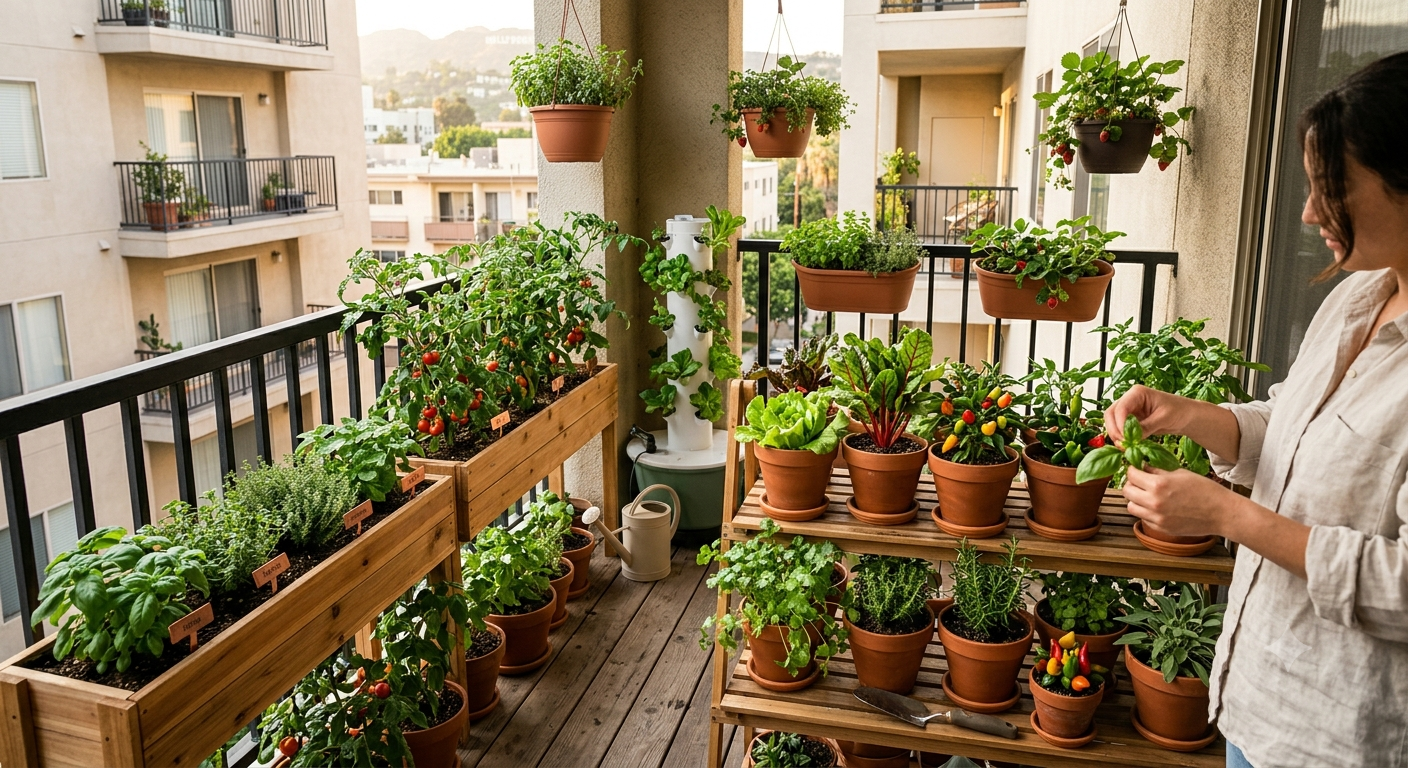
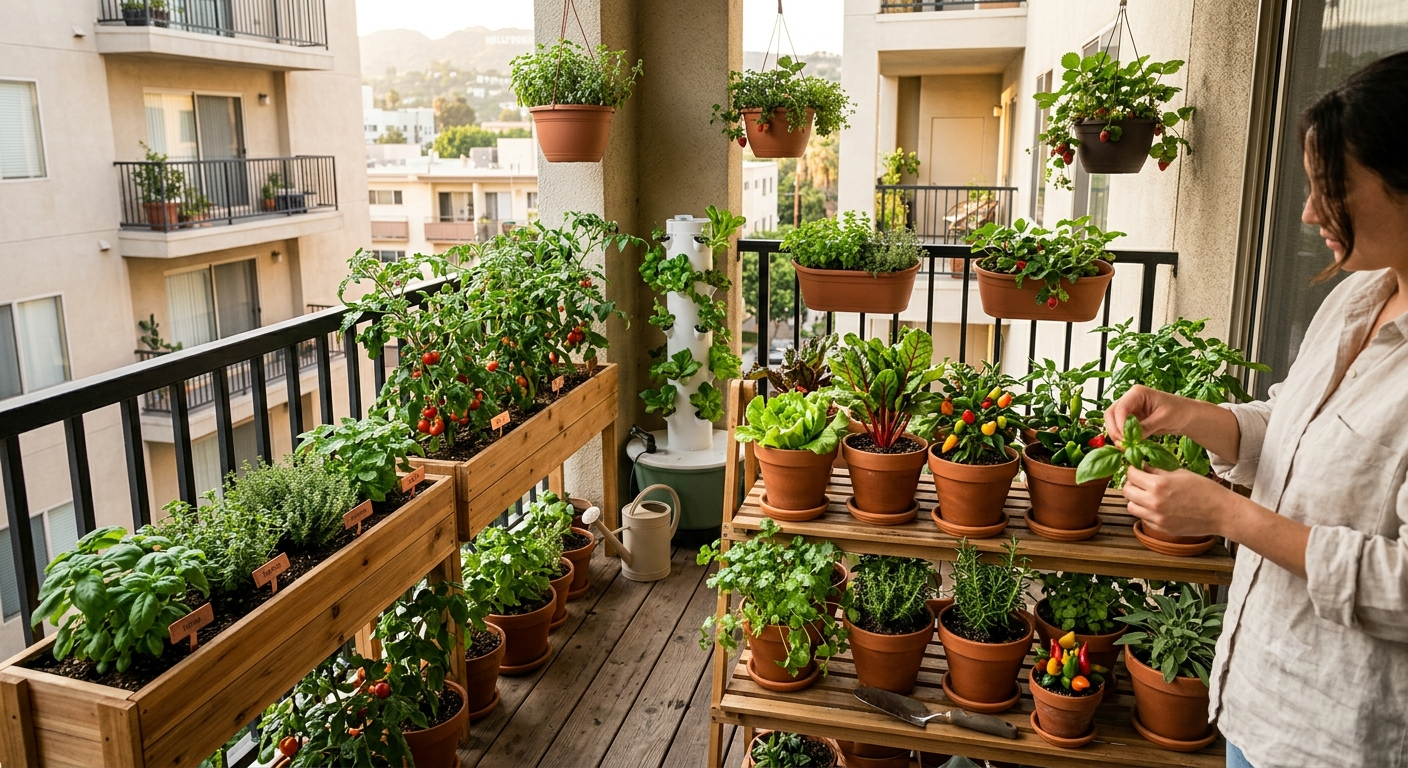
With grocery prices continuing to rise, I decided to transform my small apartment patio into a simple edible garden.
I didn't have a backyard. I didn't have professional gardening experience. I simply had a few containers, a sunny corner, and the motivation to grow something useful.
The result surprised me. Growing my own vegetables and herbs became one of the most satisfying upgrades I made this year.
Why Growing Food on a Small Patio Is Worth It
A small home garden is not about becoming completely self-sufficient. It is about enjoying fresher ingredients, reducing grocery waste, and creating a relaxing outdoor space.
The biggest advantage is that many expensive grocery items are actually some of the easiest things to grow. Fresh herbs, salad greens, cherry tomatoes, and peppers can thrive in containers.
After experimenting with different plants, these are the vegetables and herbs I believe are truly worth your time, space, and money.
1. Culinary Herbs: The Highest Return on Your Space
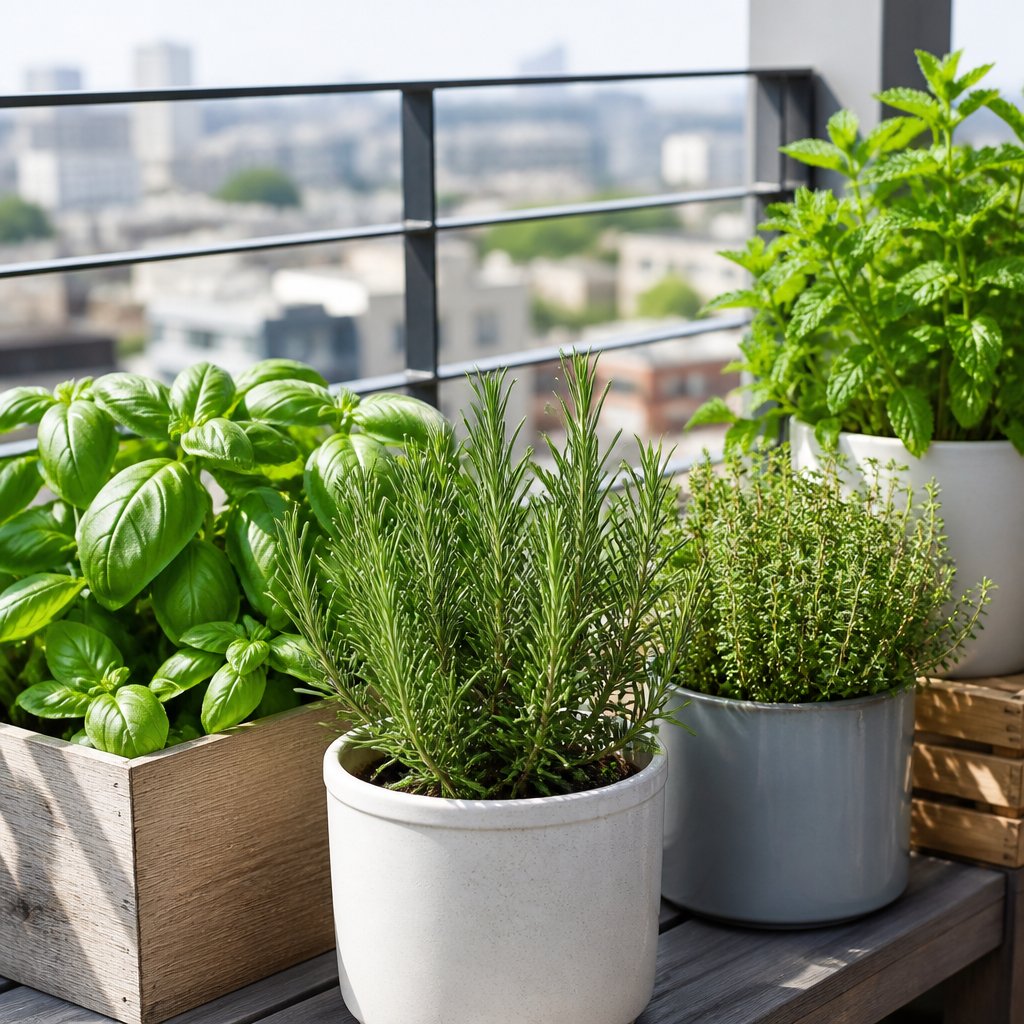
If you only grow one category of plants, start with herbs.
Fresh basil, mint, rosemary, parsley, and cilantro are expensive to constantly replace at the grocery store, but they are surprisingly easy to grow at home.
I keep a small herb container setup near my patio door. Whenever I cook pasta, make tea, or prepare fresh meals, I can simply step outside and harvest what I need.
Why Herbs Are Perfect for Beginners:
- They grow well in small containers
- They provide multiple harvests
- They require minimal maintenance
- They make everyday meals taste fresher
My Balcony Gardening Pick
A vertical herb planter is one of the easiest ways to maximize growing space when you only have a small patio or balcony.
Check Prices on Amazon for Vertical Herb Planters2. Sweet Cherry Tomatoes: The Balcony Favorite
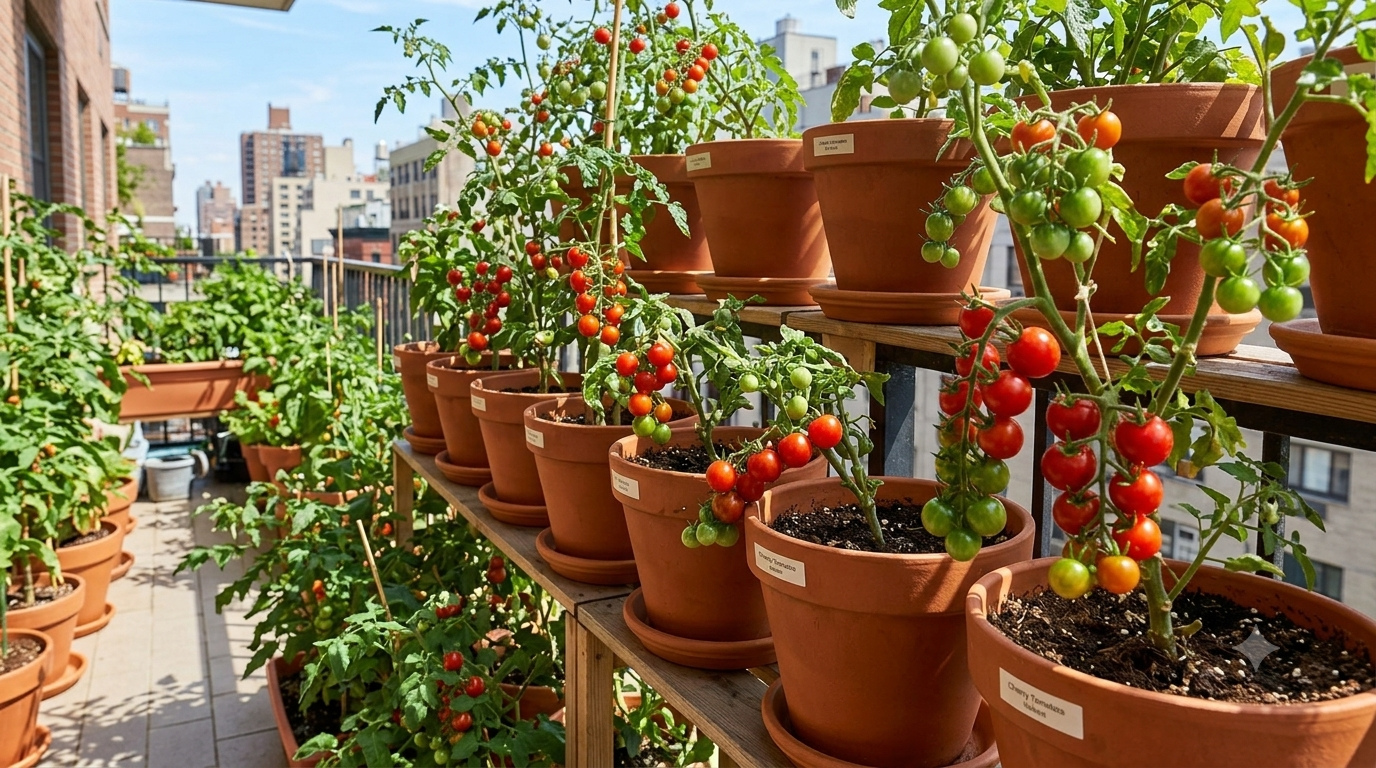
Tomatoes are one of the most rewarding vegetables to grow because the difference between homegrown and store-bought flavor is incredible.
However, large tomato varieties often require too much space. For apartments, compact cherry tomato plants are usually a better choice.
They grow well in containers, enjoy sunlight, and can produce a surprising amount of fresh tomatoes throughout the growing season.
Space-Saving Tomato Solution
Lightweight fabric grow containers are easier to move around balconies and provide good airflow for container vegetables.
Check Prices on Amazon for Vegetable Grow Bags3. Cut-and-Come-Again Salad Greens
One of the most frustrating grocery wastes is buying fresh greens and watching them disappear inside the refrigerator before you finish them.
Growing your own salad greens solves this problem because you can harvest exactly what you need.
The Best Container-Friendly Greens:
- Arugula
- Butterhead lettuce
- Baby spinach
- Kale
The secret is the "cut-and-come-again" method. Instead of removing the entire plant, harvest the outer leaves and allow the center to continue growing.
One container can provide multiple fresh salads throughout the season.
Small Space Salad Garden Setup
Shallow vegetable containers work well for leafy greens because they don't require deep roots.
Check Prices on Amazon for Vegetable Planters4. Vertical Strawberries: A Sweet Balcony Upgrade
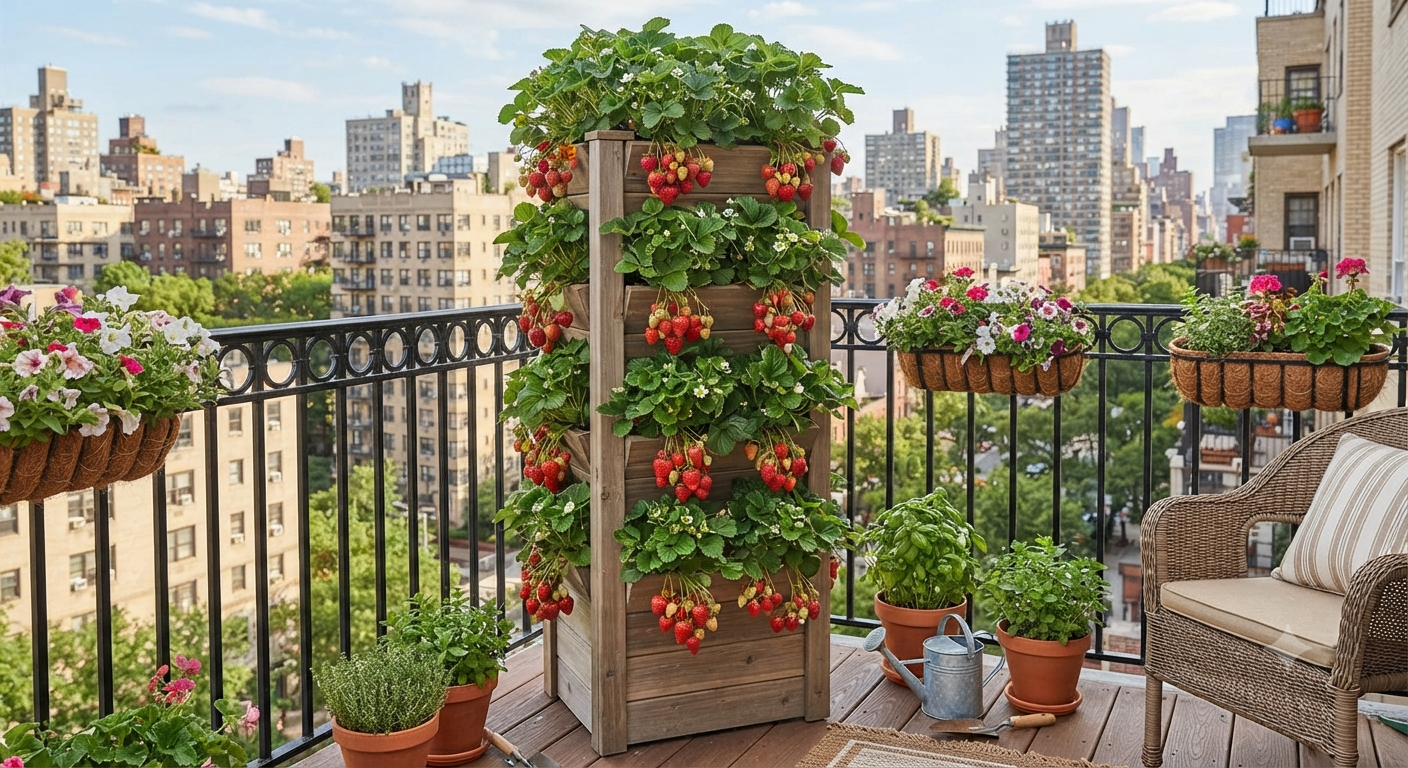
Fresh strawberries are one of those grocery items that look affordable until you realize how quickly they disappear.
They also spoil quickly, which makes growing your own especially rewarding.
Vertical strawberry planters are perfect for small balconies because they use height instead of floor space.
Why Vertical Strawberry Growing Works:
- Uses limited balcony space efficiently
- Keeps berries away from wet soil
- Creates an attractive edible display
- Makes harvesting easier
A small strawberry tower can become both a food source and a beautiful patio decoration.
Balcony Strawberry Solution
Stackable planters help grow more plants vertically when outdoor space is limited.
Check Prices on Amazon for Strawberry Planter Towers5. Mini Sweet Peppers and Compact Chili Peppers
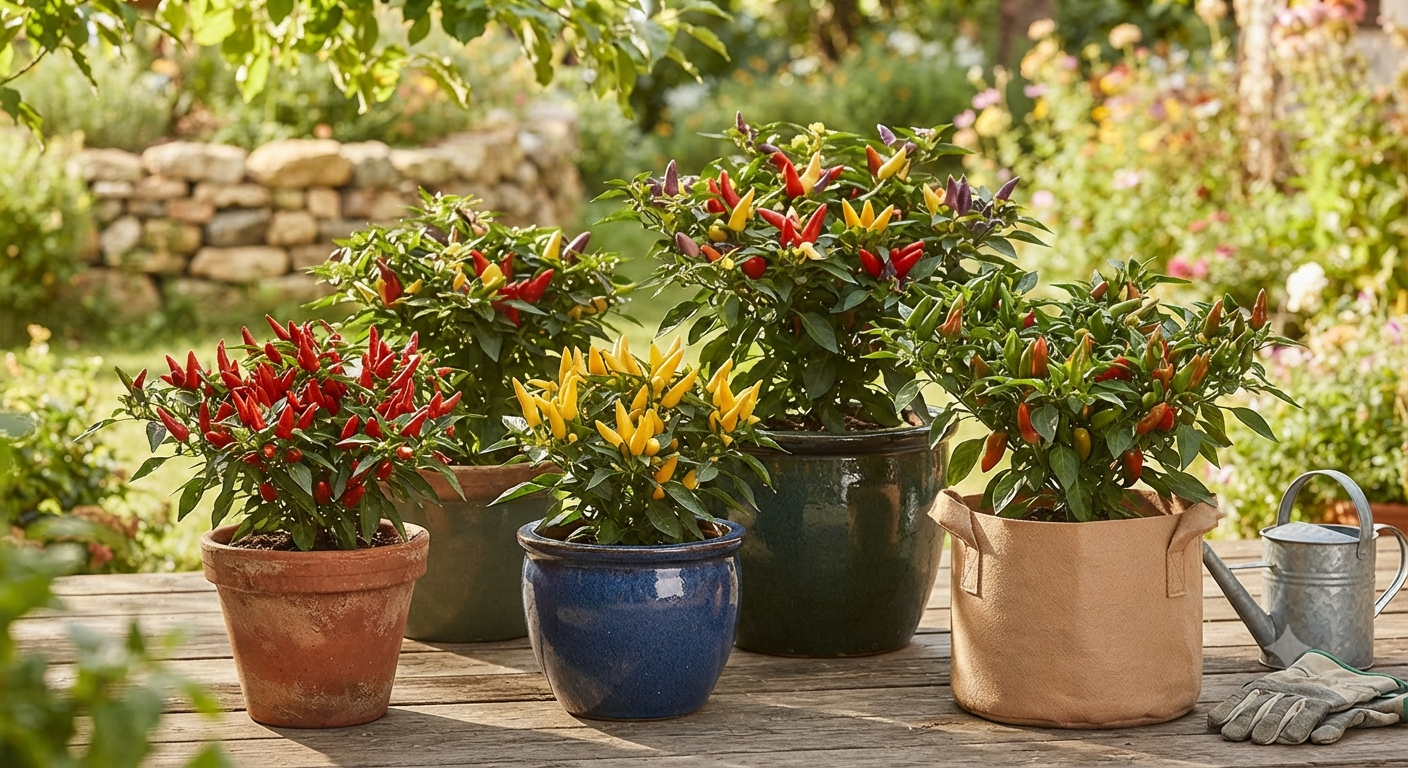
Pepper plants are one of my favorite choices for apartment gardening because they are beautiful, compact, and productive.
Unlike some larger vegetables, peppers don't need a huge growing area. A few containers can provide fresh peppers for cooking throughout the season.
Best Container Setup:
- 3–5 gallon containers
- Well-draining soil
- Sunny location
- Regular watering schedule
Breathable Container Pots
Fabric grow containers are lightweight and easy to move around small patios.
Check Prices on Amazon for Fabric Grow Bags6. Bush Green Beans: Fast Results in Small Spaces
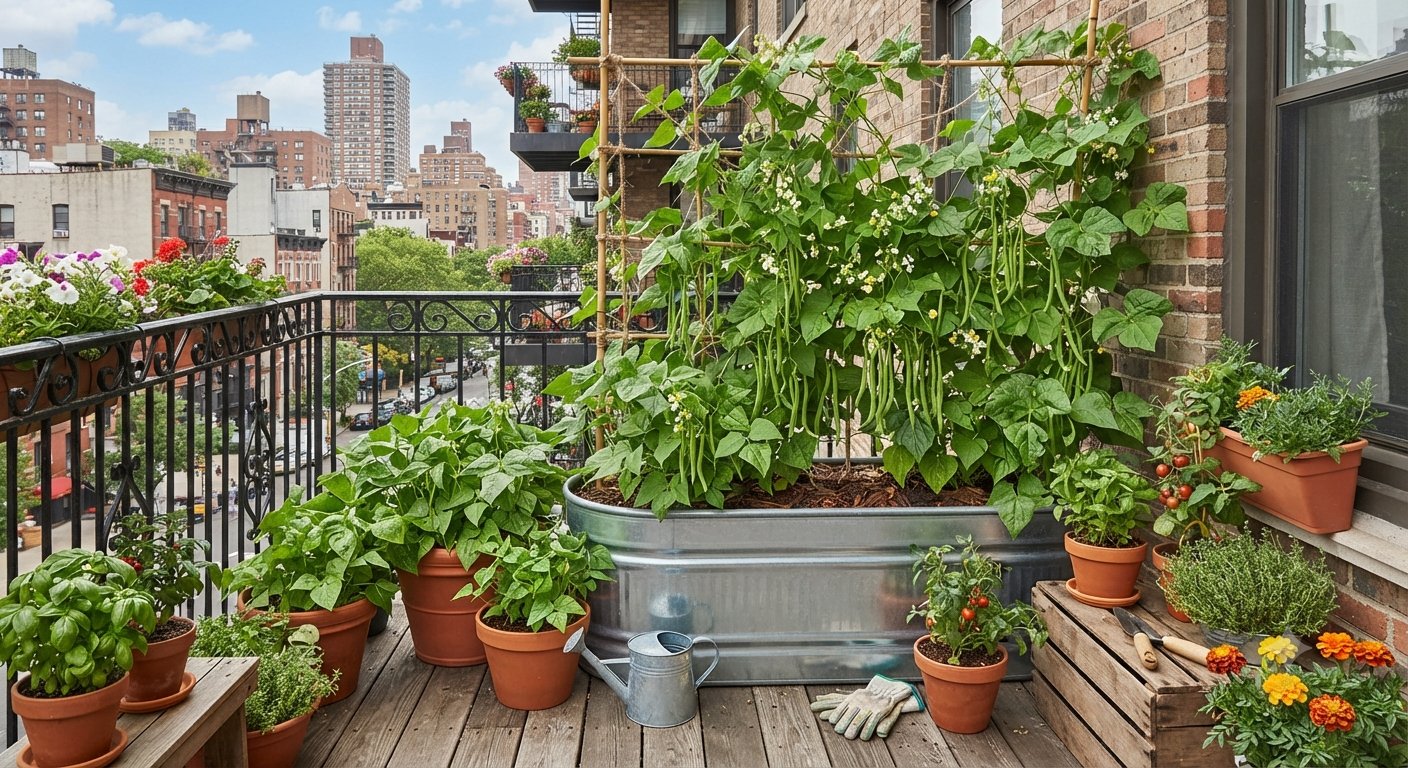
If you want a vegetable that feels rewarding quickly, bush green beans are a great choice.
Unlike climbing varieties that require tall supports, bush beans stay compact and work well in containers.
They grow quickly, usually produce harvests within several weeks, and provide crisp beans that taste much fresher than packaged alternatives.
Why I Recommend Bush Beans:
- Beginner-friendly
- Compact growth habit
- Fast harvest cycle
- High production from small spaces
Container Vegetable Seeds
Choose compact vegetable varieties designed for patios, balconies, and small gardens.
Check Prices on Amazon for Container Garden Seeds7. The "Infinite Scallion" Kitchen Garden Trick
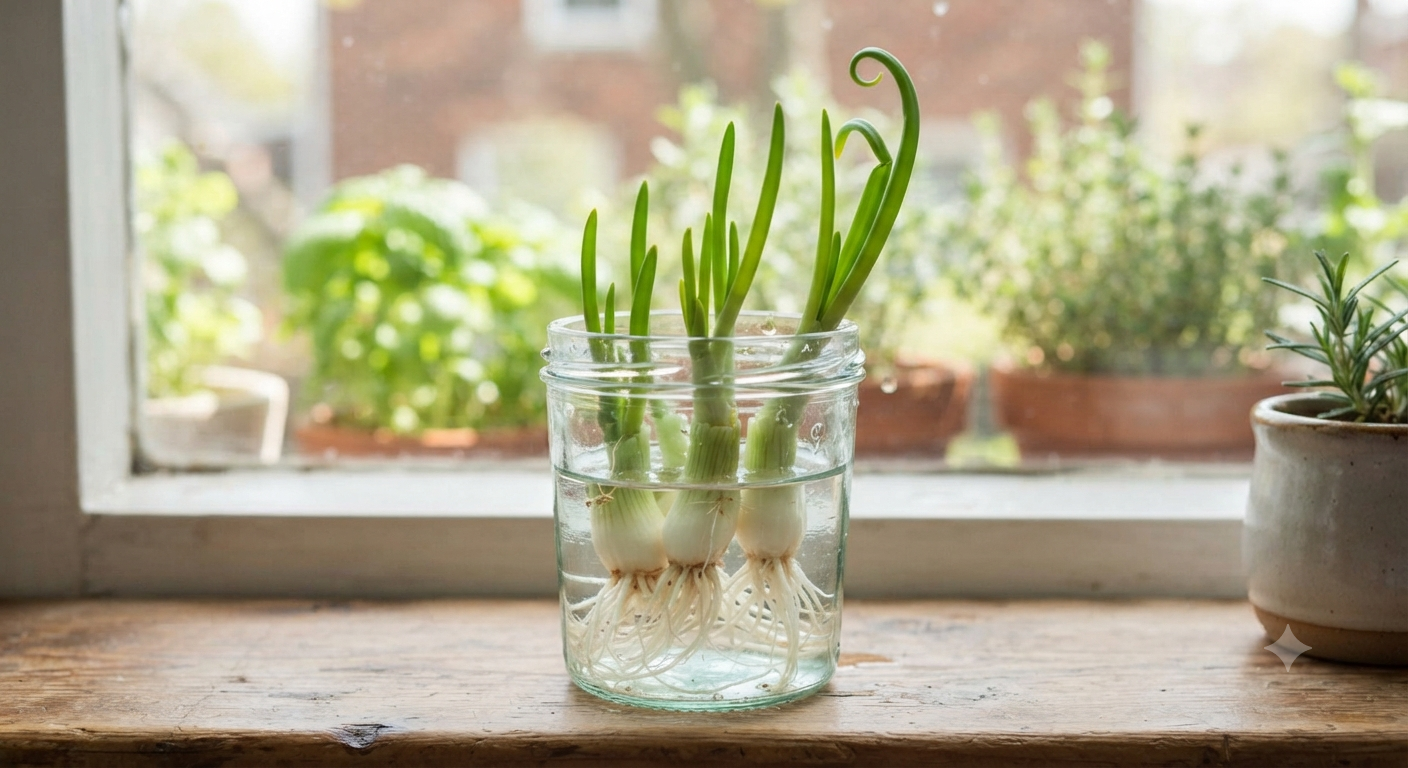
This might be the easiest gardening trick because you can start it with something you already bought.
Instead of throwing away the white root ends from green onions, place them in water or soil and allow them to regrow.
With basic care, you can continue harvesting fresh green shoots again and again.
Why This Hack Is Worth Trying:
- Almost zero cost
- Requires very little space
- Perfect for beginners
- Reduces food waste
It is a simple reminder that gardening doesn't always require expensive equipment or a large outdoor area.
My 3 Rules for Balcony Gardening Success
1. Start With Quality Container Soil
Regular garden soil is usually too heavy for containers. It can become compacted and prevent healthy root growth.
Choose a lightweight potting mix designed for vegetables and container plants.
Check Prices on Amazon for Vegetable Potting Mix2. Never Ignore Drainage
One of the biggest beginner mistakes is overwatering. Healthy roots need both moisture and airflow.
Make sure every container has drainage holes so excess water can escape.
3. Start Small and Expand Slowly
It is tempting to plant everything at once, but a small successful garden is better than a large overwhelming one.
Start with two or three plants you actually enjoy eating. Once you gain confidence, expand your collection next season.
Bonus Tip: Growing Vegetables on a Low-Light Balcony

Not every apartment balcony receives perfect sunlight. Some spaces only get morning light, indirect sunlight, or a few hours of brightness each day.
The good news is that you can still grow many useful plants.
Leafy greens and herbs are usually more forgiving in lower-light conditions than fruit-producing plants like tomatoes and peppers.
For darker spaces, a compact plant grow light can help extend growing time and improve plant health during cloudy seasons or shorter winter days.
Low-Light Balcony Gardening Helper
A compact LED grow light can provide additional support for herbs, seedlings, and leafy vegetables when natural sunlight is limited.
Check Prices on Amazon for LED Grow LightsHow Much Money Can a Small Balcony Garden Save?
A balcony garden will not replace your entire grocery bill, but it can reduce the cost of frequently purchased fresh ingredients.
Herbs are one of the best examples. A small package of fresh herbs may cost several dollars, while one healthy plant can provide multiple harvests over many weeks.
The biggest savings often come from growing items that:
- Spoil quickly after purchase
- Are expensive in small packages
- You use frequently in cooking
- Taste noticeably better when freshly harvested
The goal is not only saving money. A small edible garden also creates a relaxing outdoor space and encourages healthier eating habits.
Final Thoughts
Growing food on a tiny apartment patio has completely changed how I think about small outdoor spaces.
A balcony does not have to be just a place for storage or an empty corner of your home. With a few containers, some sunlight, and a little patience, it can become a small source of fresh ingredients.
You do not need dozens of plants or complicated gardening systems. Start with one herb, one vegetable, or even one recycled container.
The most rewarding part is watching something you planted yourself become part of your everyday meals.
Even a few square feet can create a surprisingly productive garden.
Frequently Asked Questions
What is the easiest vegetable to grow on a small balcony?
Herbs such as basil, mint, parsley, and leafy greens like lettuce and spinach are among the easiest plants for beginners because they grow well in containers and require limited space.
How deep should balcony vegetable containers be?
Most herbs and leafy greens grow well with around 6–8 inches of soil depth. Tomatoes and peppers usually perform better in containers that are at least 10–12 inches deep or around 3–5 gallons in size.
Can vegetables grow on a balcony without full sun?
Yes. Some plants, including lettuce, kale, spinach, mint, and parsley, can grow with partial sunlight. Fruiting plants like tomatoes and peppers generally need more direct sunlight.
What vegetables grow best in containers?
Container-friendly vegetables include cherry tomatoes, peppers, lettuce, spinach, herbs, bush beans, and strawberries. Compact varieties usually perform best in small spaces.
How much sunlight does a balcony garden need?
Many vegetables grow best with 6 or more hours of sunlight daily. However, herbs and leafy greens can often tolerate less light, making them good choices for apartments with limited sun exposure.
Trademark Disclaimer: All product names, trademarks, and brand references belong to their respective owners. Any product categories or gardening styles mentioned in this article are for informational and comparison purposes only and do not imply sponsorship or affiliation.