Small Bedroom Ideas for Renters That Make a Tiny Room Feel More Comfortable
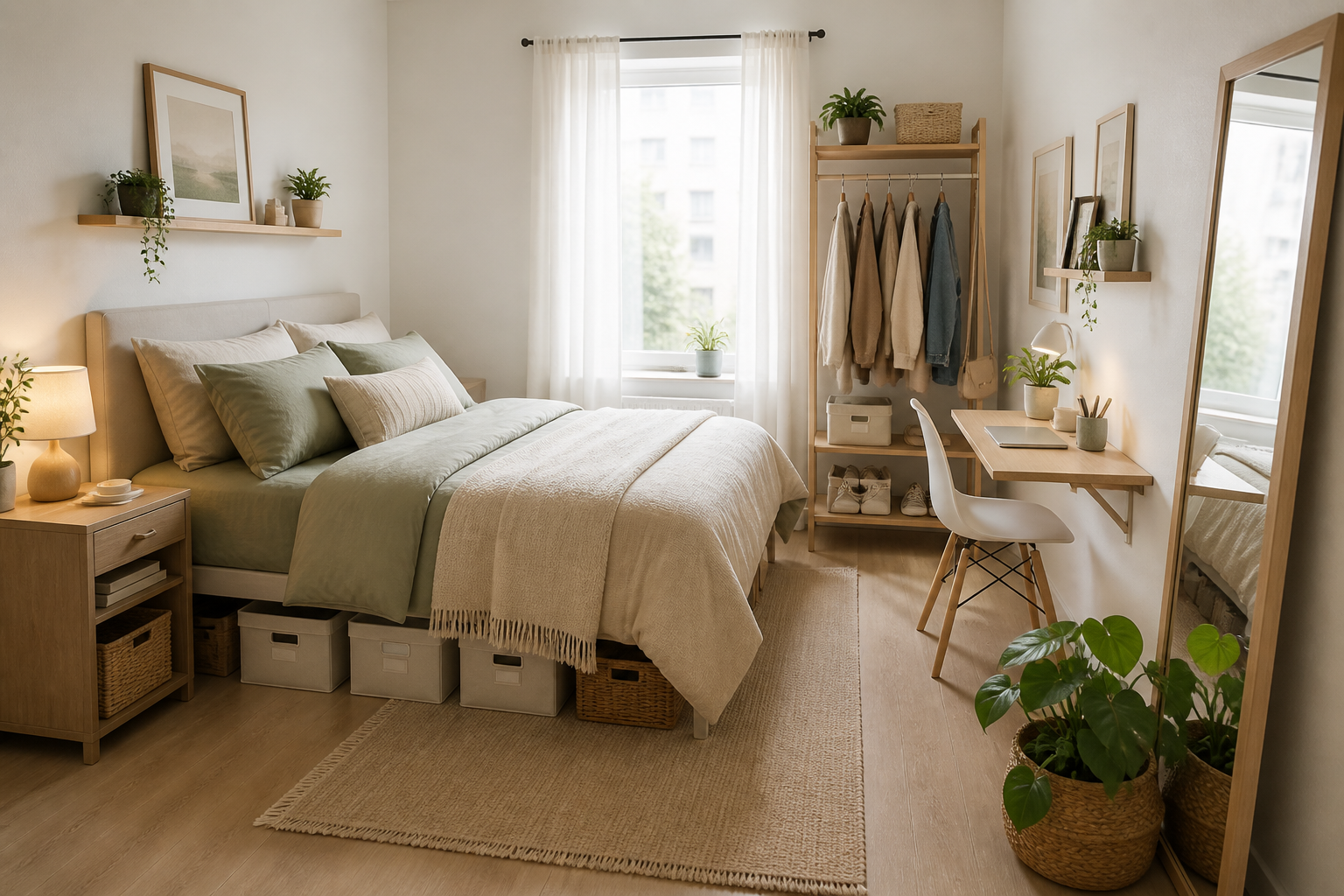
My bedroom wasn't exactly ugly when I first moved into my apartment. It was just... awkward.
The bed took up most of the room, there wasn't enough space for a proper nightstand, and every time I opened the closet door, it seemed to hit something. By the end of the day, clothes would end up on the chair, chargers would disappear under the bed, and the whole room felt much smaller than it actually was.
The problem wasn't really the size of the bedroom. I was simply trying to use it like a larger bedroom.
After living with it for a while, I started making small changes instead of trying to completely redecorate. I moved furniture around, used the empty wall space, added warmer lighting, and found a few renter-friendly storage solutions.
None of these changes required construction or an expensive makeover. But together, they made the bedroom feel calmer, more comfortable, and much easier to live in.
If you're renting a small apartment or dealing with a bedroom that feels too cramped, these are the ideas that made the biggest difference for me.
Affiliate Disclosure: As an Amazon Associate, Lucky Cozy Nook earns from qualifying purchases. If you buy something through our recommended links, we may receive a small commission at no additional cost to you.
1. Start With the Bed Because It Takes Up the Most Space
In a tiny bedroom, the bed is usually the largest piece of furniture, so where you put it affects almost everything else.
I originally pushed mine into a corner because it seemed like the obvious way to create more floor space. But that arrangement made the room feel oddly unbalanced and left an uncomfortable narrow gap that was difficult to use.
Moving the bed just a few inches and changing the orientation gave me a much better walkway.
Before buying anything new, measure the room and experiment with the furniture you already have. Even temporarily moving the bed can show you which areas of the room are actually usable.
For a small bedroom, I generally prefer leaving a clear path around the areas I use every day rather than squeezing furniture into every available corner.
A simple rule: make the bed the starting point of the layout, not the piece you try to fit in last.
2. Skip the Traditional Nightstand If You Don't Have Room
A full-size nightstand looks great in a large bedroom, but it can be surprisingly bulky in a small one.
My first nightstand took up more floor space than I expected, and I mostly used it for a lamp, phone charger, and glass of water.
Eventually, I replaced it with a much smaller solution.
A narrow bedside table, floating shelf, or slim wall-mounted shelf can provide enough space for the things you actually need at night without turning the side of the bed into another furniture zone.
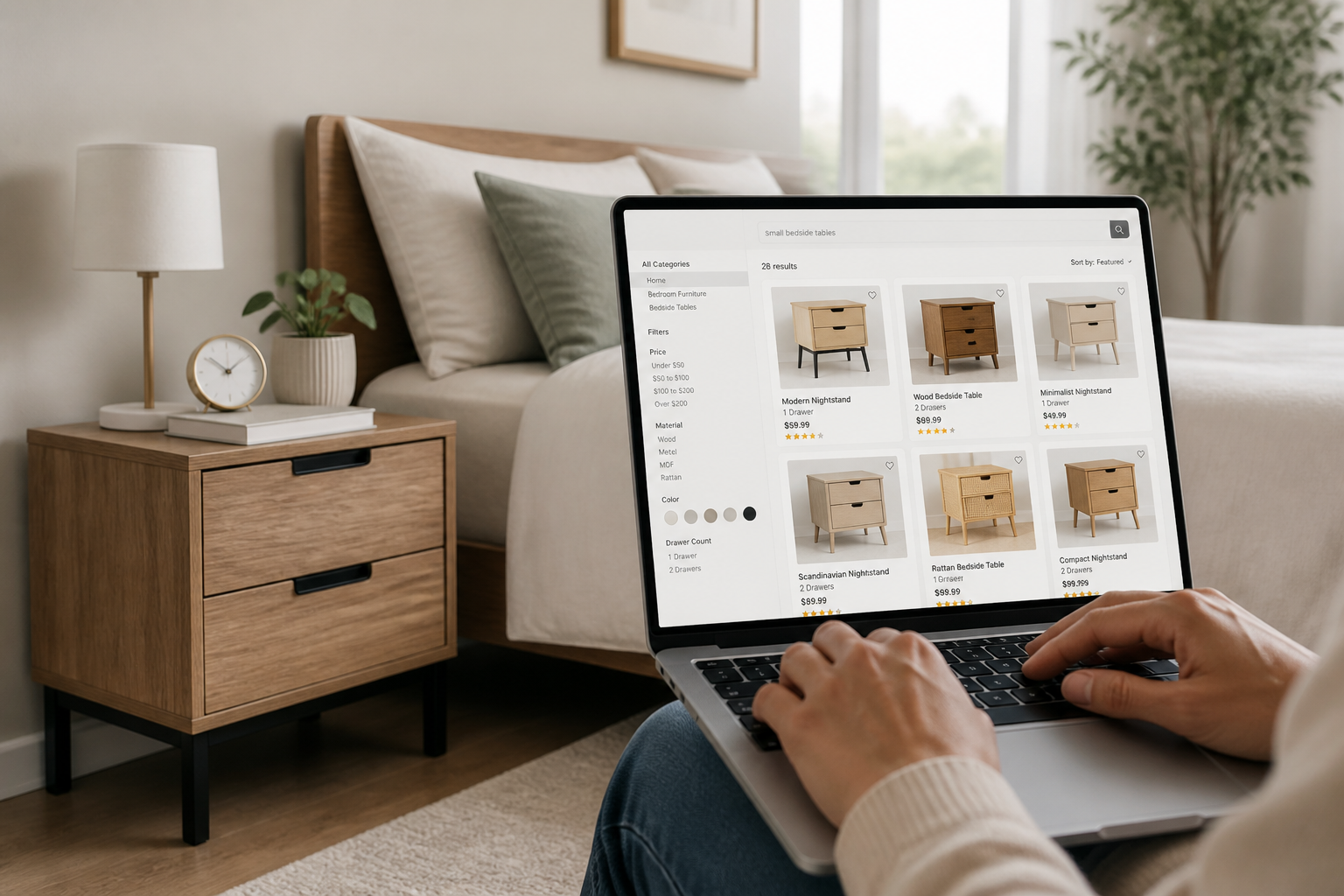
This is especially useful for renters because a small freestanding table requires no permanent installation.
Browse Small Bedside Tables on Amazon →3. Make the Space Under the Bed Work for You
Once I started paying attention to the space underneath my bed, I realized I had been wasting a huge amount of storage.
It's one of the few places in a small bedroom where you can store things without adding another piece of furniture.
I use the area for items I don't need every day, such as:
- Extra bedding
- Seasonal clothes
- Shoes
- Travel bags
- Extra pillows
Low-profile containers are much easier to manage than random cardboard boxes. If you choose containers with handles or wheels, pulling them out for seasonal changes is much less annoying.
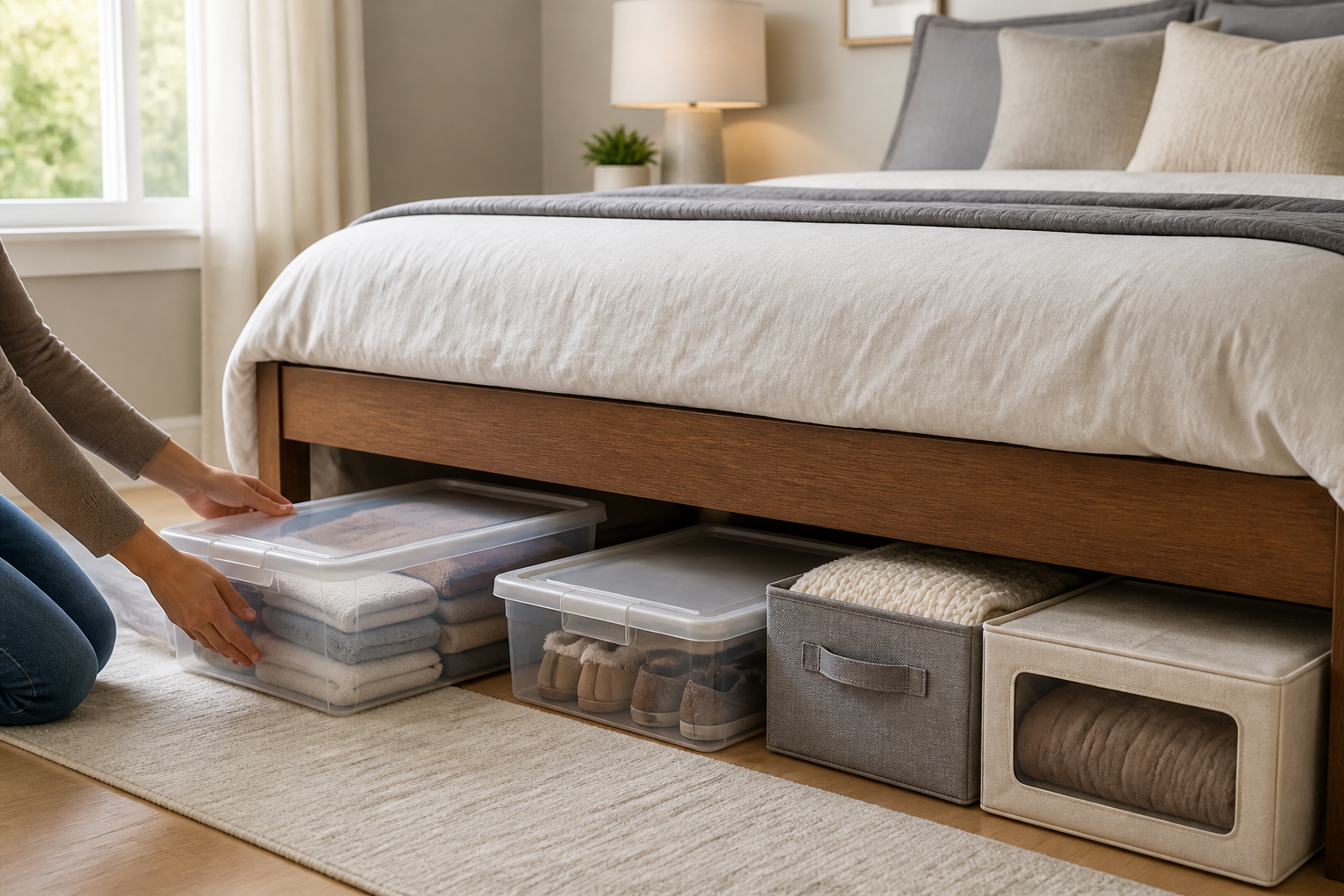
Just don't treat the space as an excuse to keep things you never use. Storage works best when you know exactly what is underneath the bed.
Find Under-Bed Storage Containers →4. Use One Large Mirror Instead of Lots of Small Decor
A small bedroom doesn't necessarily need more decoration. Sometimes it needs more light.
A full-length mirror can help with both.
I like placing a large mirror where it can catch natural light from a window. It doesn't physically make the bedroom larger, of course, but the reflected light and open view can make the room feel less enclosed.
A full-length mirror is also much more useful than several tiny decorative mirrors because you actually use it every day.
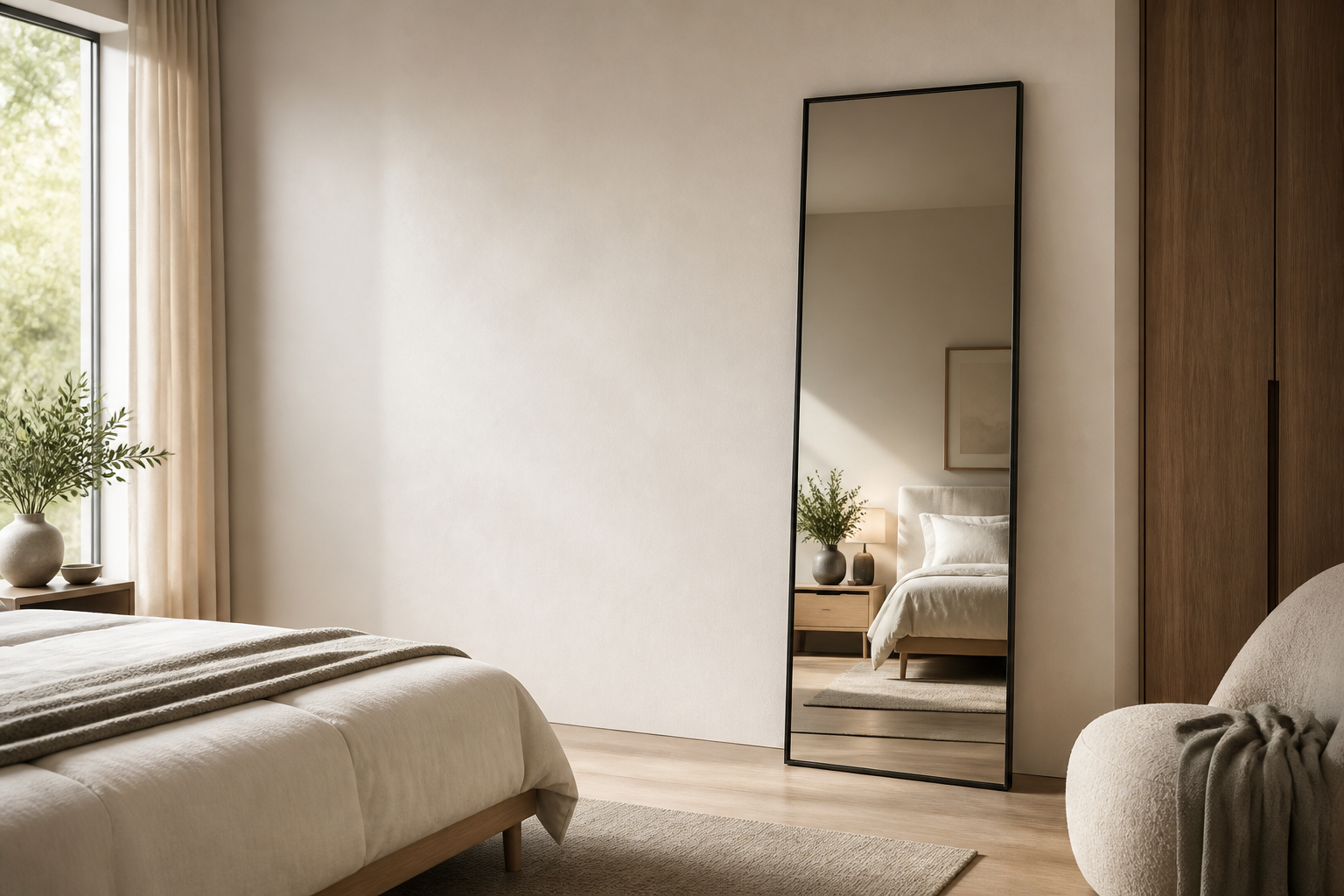
If you're renting, a leaning mirror can be a particularly easy option because it doesn't require drilling into the wall.
Browse Full-Length Bedroom Mirrors →5. Give Your Clothes a Better Place to Land
There is one type of bedroom clutter that always seems to come back: clothes that aren't dirty enough for the laundry basket but aren't clean enough to put away.
For me, that usually meant a chair covered in sweaters.
Instead of pretending that chair wasn't becoming a second closet, I created a specific place for those in-between clothes.
A slim garment rack, a few wall hooks, or a small basket can work depending on how much space you have.
The important thing is having a designated landing spot. Otherwise, clothes will eventually end up wherever there happens to be an empty surface.
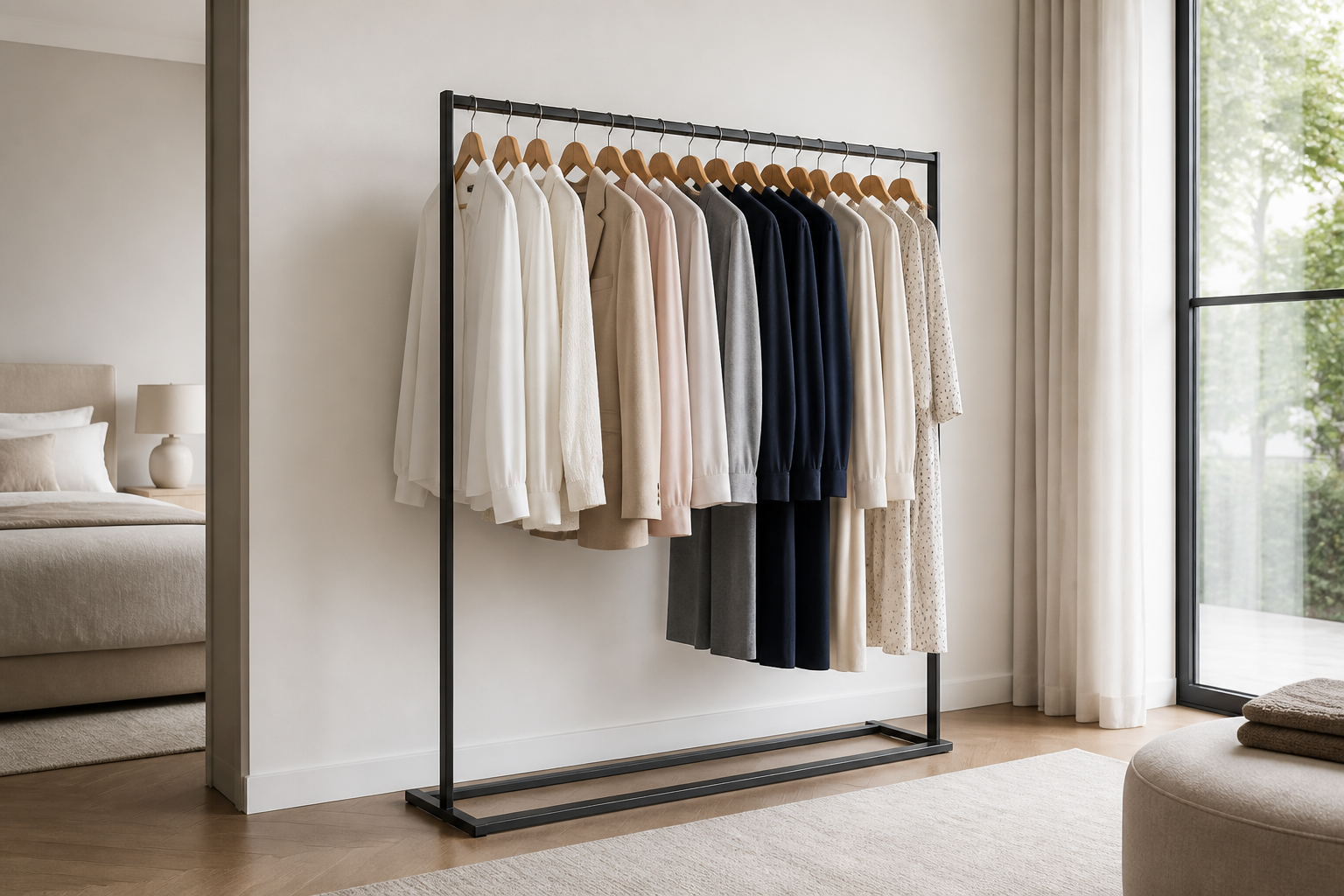
For renters, freestanding solutions are especially useful because you can take them with you when you move.
See Slim Clothing Racks →6. Make the Lighting Softer at Night
Bedroom lighting can completely change how a small room feels.
My apartment originally had one bright ceiling fixture. It was useful when I needed to find something, but it wasn't exactly relaxing at the end of the day.
I added a small lamp beside the bed and switched to a warm white bulb. Suddenly the room felt much softer.
You don't need expensive designer lighting. Even one warm lamp can create a completely different atmosphere.
I usually look for lighting around the warm-white range rather than very cool daylight bulbs when I'm trying to create a relaxed bedroom.
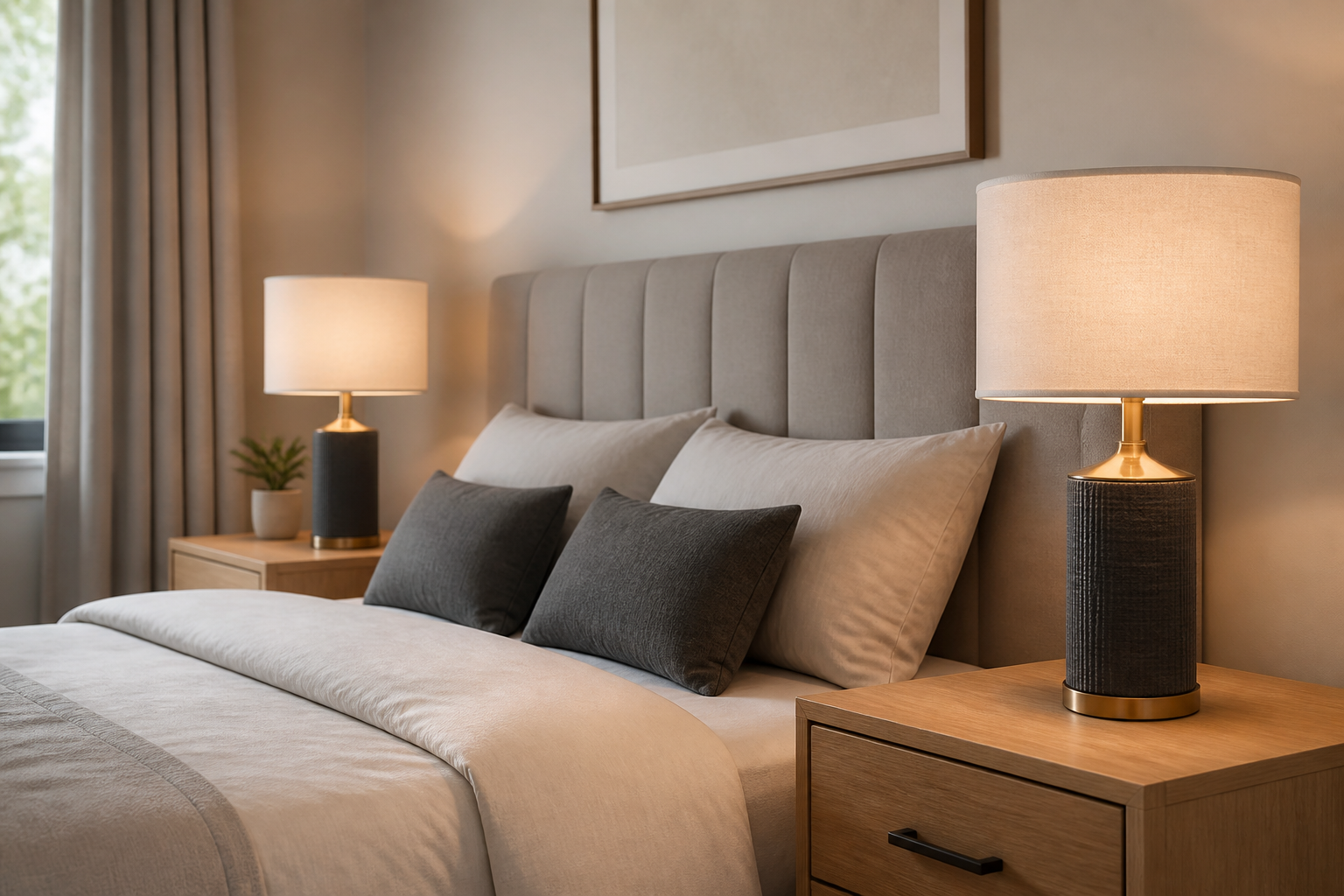
Small-room trick: use more than one low-intensity light source instead of relying entirely on one bright overhead fixture.
Shop Small Bedroom Lamps →7. Keep the Walls Simple but Useful
When floor space is limited, walls become valuable real estate.
But I don't think every empty wall needs a gallery wall or a collection of decorations.
In a small bedroom, one or two useful wall features can be much more effective.
For example, a narrow shelf can hold books and a small plant. A few appropriate hooks can keep bags and hats off the floor. A simple piece of artwork can add personality without taking up any usable space.
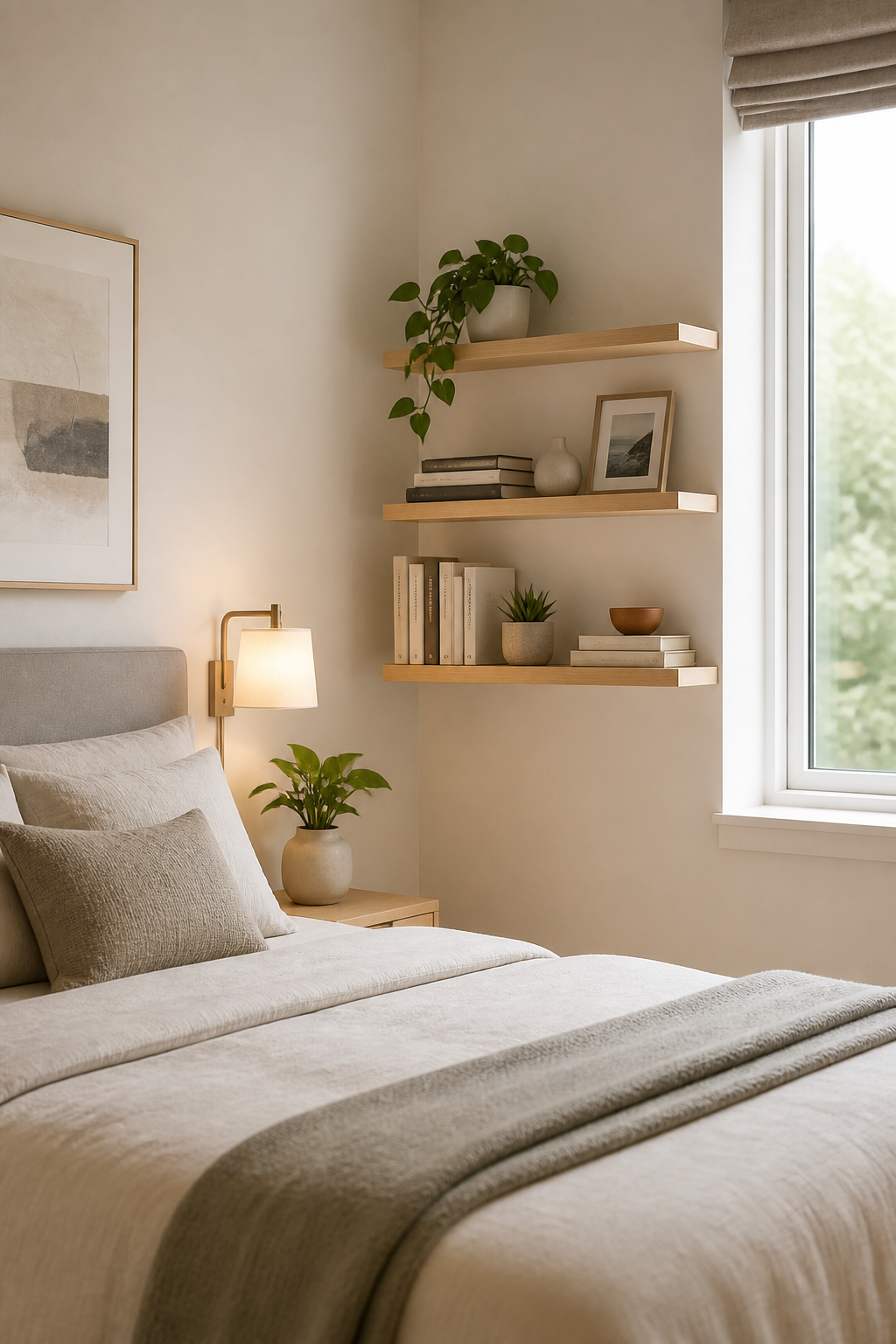
If you're renting, check your lease before installing anything and use renter-appropriate hanging solutions where possible.
Find Small Bedroom Wall Shelves →8. Don't Fill Every Corner With Furniture
This was probably the hardest lesson for me.
When a bedroom feels too empty, the natural reaction is to add something. A small cabinet here, a bench there, maybe another basket because it looks nice in the photo.
Before long, the room is technically organized but somehow feels even smaller.
I eventually started leaving some corners completely empty.
That empty space is useful. It gives the eye somewhere to rest and makes the furniture that is actually there feel more intentional.
In a tiny bedroom, you don't need to use every square foot. Sometimes the best storage solution is simply owning fewer things.
9. Choose Bedding That Doesn't Visually Overwhelm the Room
Your bed is already the biggest visual element in most small bedrooms, so the bedding matters more than you might expect.
I used to choose bedding based almost entirely on whether I liked the pattern. In a small room, though, a very busy pattern can make the entire space feel crowded.
I've had better results with simple colors and subtle textures.
Soft neutrals, muted greens, warm whites, and other understated shades tend to make the bedroom feel calmer without making it boring.
You can still add personality with a textured throw, a couple of pillows, or a small accent color.
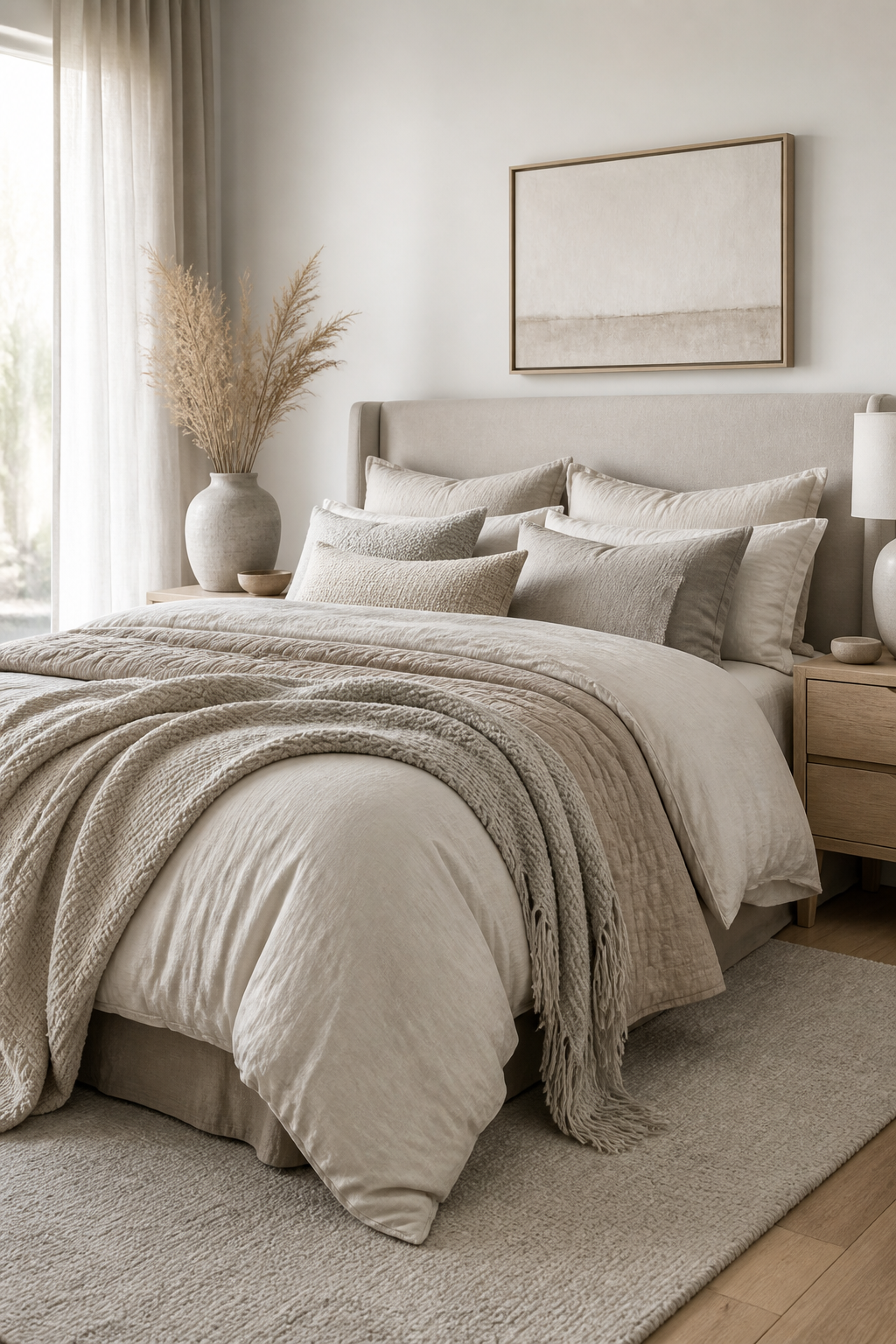
The goal isn't to make everything beige. It's to keep the largest surface in the room from competing with everything else.
Browse Neutral Bedding Sets →10. Use Curtains to Make the Room Feel Taller
One of the easiest visual changes I made was moving my curtain rod higher.
Instead of placing the curtains directly above the window frame, I mounted them closer to the ceiling and allowed the fabric to fall almost to the floor.
The window didn't change at all, but the room immediately looked a little taller.
For a small bedroom, I also prefer curtains that are relatively simple rather than heavy patterned panels. Light-colored fabric can help keep the room feeling bright during the day.
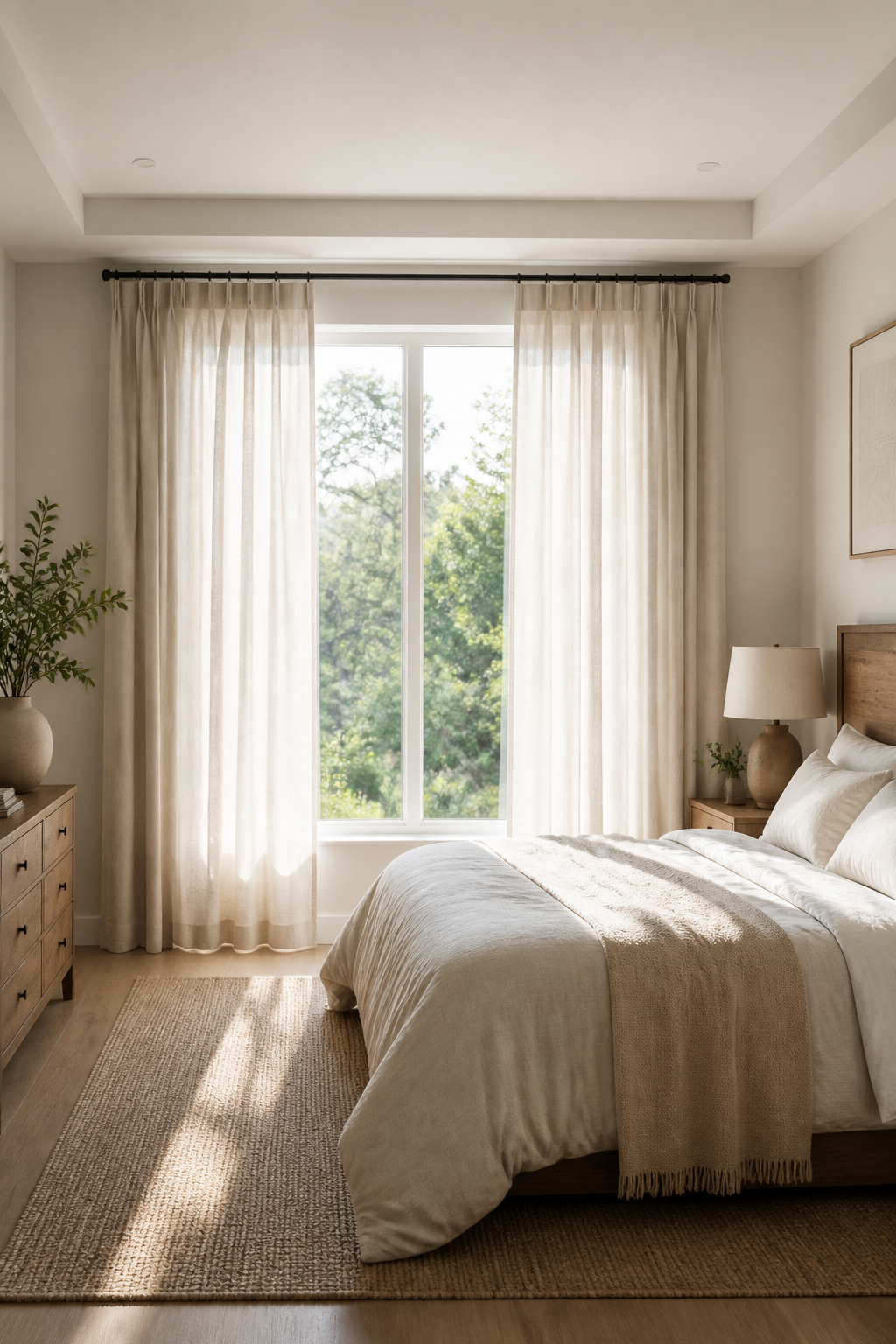
If your rental doesn't allow permanent hardware, tension rods can be an alternative for some window sizes.
See Simple Bedroom Curtains →11. Turn the Closet Door Into Extra Storage
Don't overlook the back of the closet door.
It's an easy place to store small items that don't really need their own drawer.
I use the door area for things like accessories, scarves, and a few everyday items. An over-the-door organizer can also work for shoes or smaller clothing accessories.
This keeps those items visible without taking up valuable floor space.
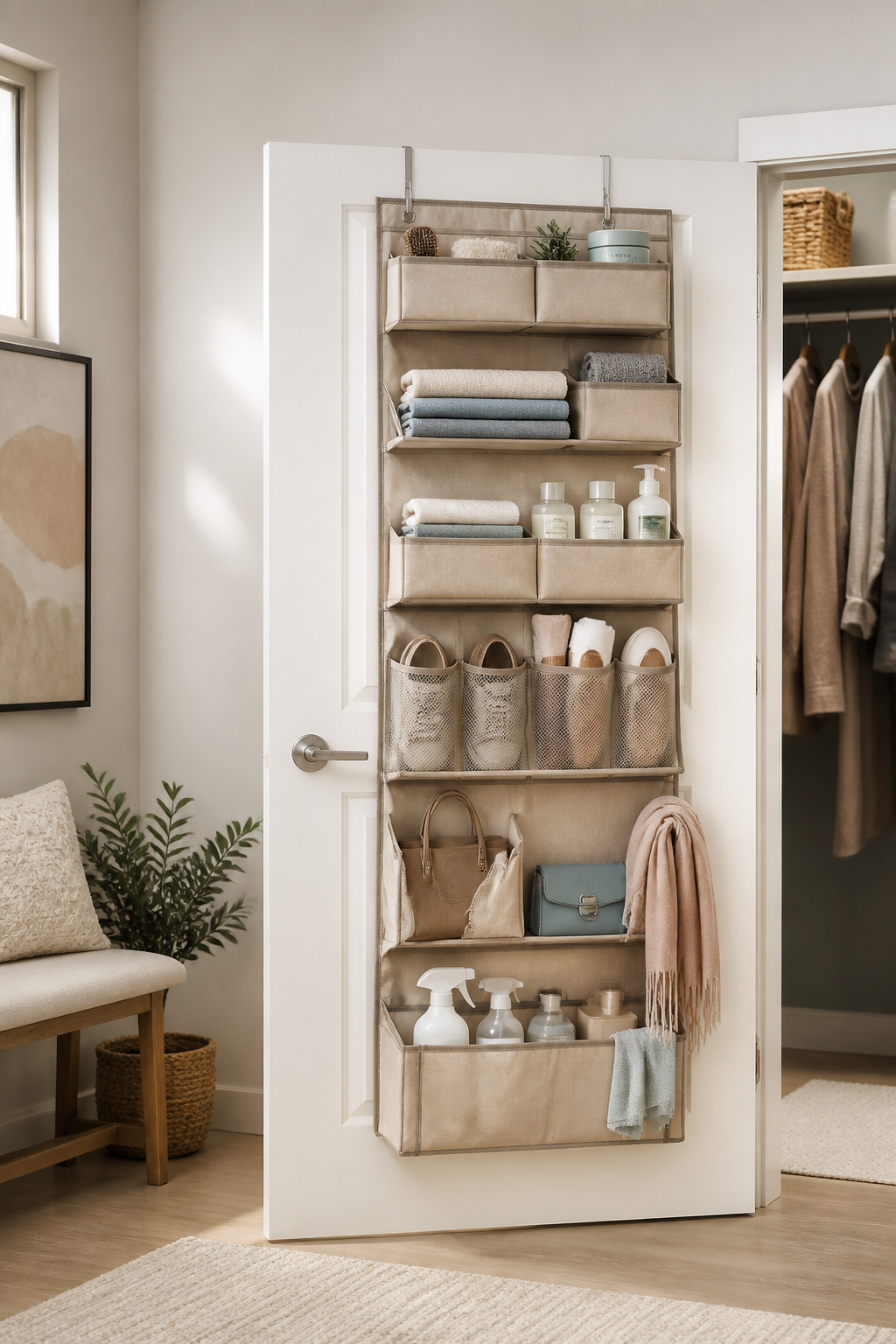
Just make sure the organizer doesn't interfere with the door closing properly. In a small bedroom, even a few inches can make a difference.
Browse Over-the-Door Organizers →12. Create a Small Spot for Everyday Things
Keys, glasses, chargers, headphones, lip balm, books — somehow all of these tiny things end up scattered around the bedroom.
Instead of trying to organize each item separately, I created one small drop zone.
A shallow tray on the nightstand works surprisingly well.
At night, I put everything I need for the next morning in the same place. It takes seconds, but it prevents the small pieces of daily clutter from spreading across the room.
This is one of those changes that doesn't look particularly impressive in a before-and-after photo, but it makes the room much easier to live in.
13. Use a Storage Bench Only If You Actually Need One
A bench at the end of the bed can look beautiful, but it's not automatically a good idea for a tiny bedroom.
If you have enough clearance, a narrow storage bench can serve two purposes: somewhere to sit and somewhere to hide extra blankets or clothing.
But if adding a bench makes the walkway uncomfortable, skip it.
I've learned that multifunctional furniture is only useful when it still leaves enough room to move around.
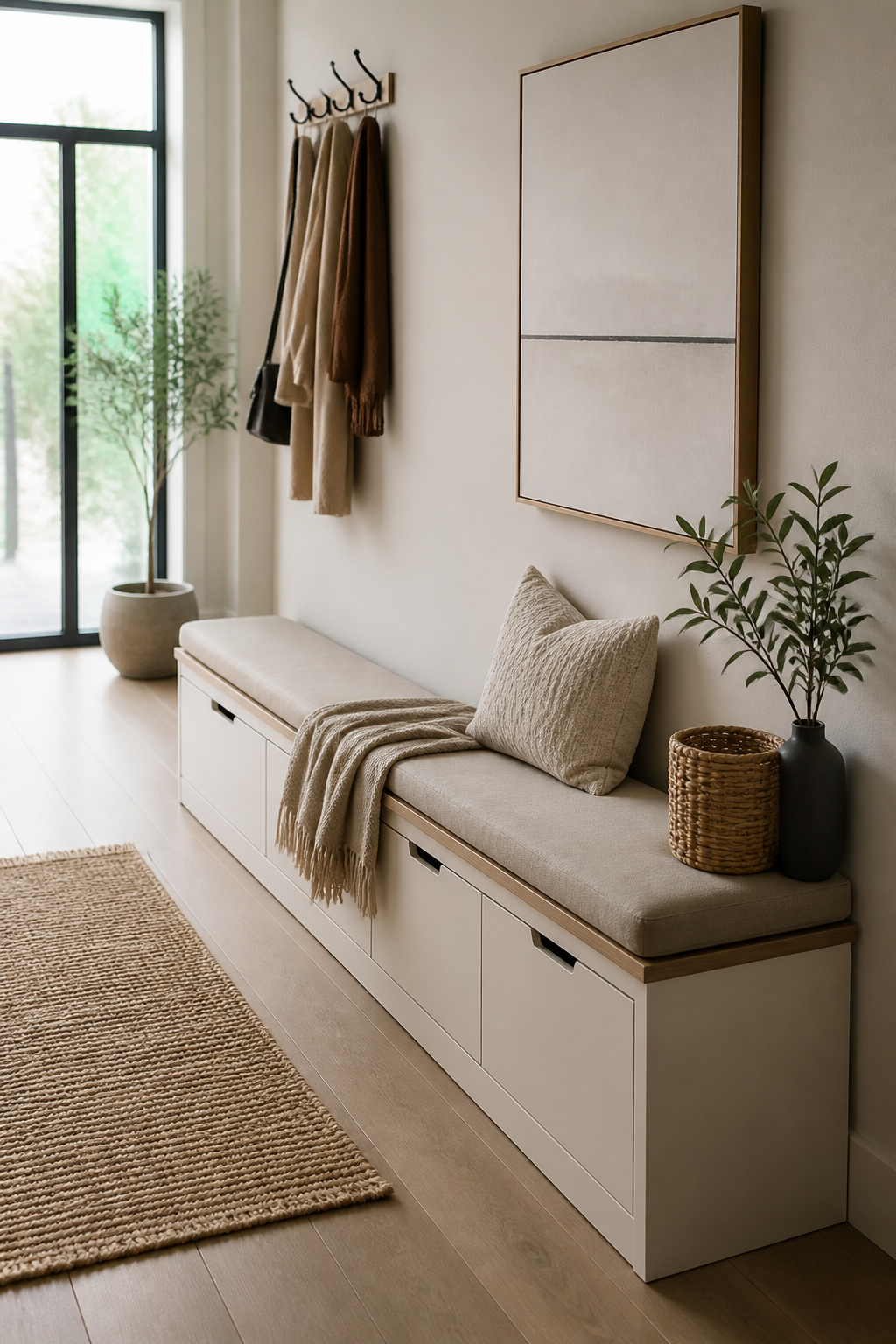
Measure the space between the end of the bed and the nearest wall or furniture before buying one.
Look at Narrow Storage Benches →14. Add One or Two Things That Make the Bedroom Feel Like Yours
After all the organizing, it's easy to end up with a bedroom that looks practical but doesn't feel personal.
That's where a few meaningful details matter.
For me, it was a small framed print, a plant near the window, and a soft throw at the end of the bed.
You don't need a dozen decorative objects. In fact, keeping the room relatively simple makes the pieces you really like stand out more.
A small bedroom should feel like somewhere you want to spend time, not a storage unit that happens to contain a bed.
What I Wouldn't Do in a Tiny Rental Bedroom
After trying different layouts, there are a few things I would avoid.
Don't Buy Furniture Before Measuring
A piece can look perfectly sized online and feel enormous once it's inside your bedroom. Always check the actual dimensions, including depth.
Don't Use Every Available Wall
Empty wall space isn't necessarily wasted space. Leaving some walls relatively open can make the room feel calmer.
Don't Overdo Open Storage
Open shelves look nice when they're carefully styled, but too many visible items quickly create visual clutter.
Don't Choose Style Over Function
If a beautiful nightstand blocks a drawer or a decorative bench makes it difficult to walk around the bed, it isn't helping the room.
Don't Try to Make a Rental Permanent
Before drilling, painting, replacing hardware, or installing anything substantial, check your lease. A small bedroom makeover shouldn't become an expensive move-out problem.
My Simple Small Bedroom Formula
After experimenting with my own bedroom, I've found that I don't need many changes to make a noticeable difference.
I focus on five things:
- Keep the floor as open as possible.
- Use vertical space instead of adding more furniture.
- Give everyday items a specific home.
- Use warm, layered lighting at night.
- Keep the biggest visual elements simple.
These aren't revolutionary decorating tricks. That's actually why I like them.
They don't require a huge budget, a large apartment, or a weekend-long renovation.
They're just small decisions that make a room easier to live in.
My Small Bedroom Shopping List
I don't think you need to buy everything on this list. In fact, the whole point of a small bedroom makeover is to avoid adding unnecessary stuff.
These are simply the few types of products I would consider if I were starting over and wanted to improve a small rental bedroom without spending a lot.
Under-Bed Storage
Useful for seasonal clothing, extra bedding, shoes, and other things you don't need every day.
Browse Under-Bed Storage on Amazon →Small Bedside Table
A narrow nightstand can provide enough room for a lamp, phone, and a few nighttime essentials without taking over the floor.
Browse Small Bedside Tables →Full-Length Mirror
A leaning mirror is useful in a bedroom and can help reflect natural light without requiring permanent installation.
Browse Full-Length Mirrors →Warm Bedside Lamp
A small lamp with warm light can make a bedroom feel much more relaxing than relying on a bright overhead fixture.
Browse Bedroom Lamps →Slim Clothing Rack
A narrow garment rack gives everyday clothes a dedicated place without requiring another bulky dresser.
Browse Slim Clothing Racks →Frequently Asked Questions
How can I make a small bedroom feel bigger?
Keep the floor as open as possible, avoid oversized furniture, use vertical storage, and choose simple colors for large surfaces such as bedding and curtains. A large mirror can also help reflect light and make the room feel more open.
How do you add storage to a small rental bedroom?
Start with unused areas such as underneath the bed, behind the closet door, and empty wall space. Under-bed containers, over-the-door organizers, narrow shelves, and slim clothing racks can add storage without requiring major changes to the room.
What furniture should I avoid in a tiny bedroom?
Avoid furniture that takes up a lot of floor space without providing much practical use. Oversized nightstands, deep dressers, large benches, and bulky accent chairs can quickly make a small bedroom difficult to move around in.
How can renters decorate a small bedroom without damaging the walls?
Use freestanding furniture, leaning mirrors, tension rods, and renter-friendly hanging solutions where appropriate. Always check your lease before making permanent changes such as drilling, painting, or installing hardware.
What colors make a small bedroom feel more comfortable?
There isn't one color that works for every room, but warm whites, soft neutrals, muted greens, light beige, and other low-contrast colors can help create a calm feeling. Adding texture through bedding, curtains, rugs, and throws can keep neutral rooms from feeling plain.
Final Thoughts
A small bedroom doesn't have to feel like a compromise.
Mine certainly still isn't large, and there are days when I wish I had another closet or a few extra feet of floor space. But after getting rid of some unnecessary furniture and making better use of the space I already had, the room became much more comfortable.
The biggest improvement wasn't one particular product. It was learning to stop trying to fit everything into the room.
A smaller bedroom needs breathing room just as much as it needs storage.
So if your rental bedroom currently feels cramped, don't start by buying a bunch of new furniture. Move the bed. Clear one surface. Look underneath it. Use an empty wall. Change the lighting. Then see what the room actually needs.
You might find that a few small changes are enough to make the whole bedroom feel different.